

How to Get Your Yard Ready for a Strong, Lasting Wall
Preparing your landscape for retaining wall installation starts with clearing the area, checking soil and drainage, and making sure the ground is level and stable. A little prep work helps your wall last longer and prevents water problems later. If you plan ahead and address weak spots in your yard, the whole project goes smoother and stays on budget.
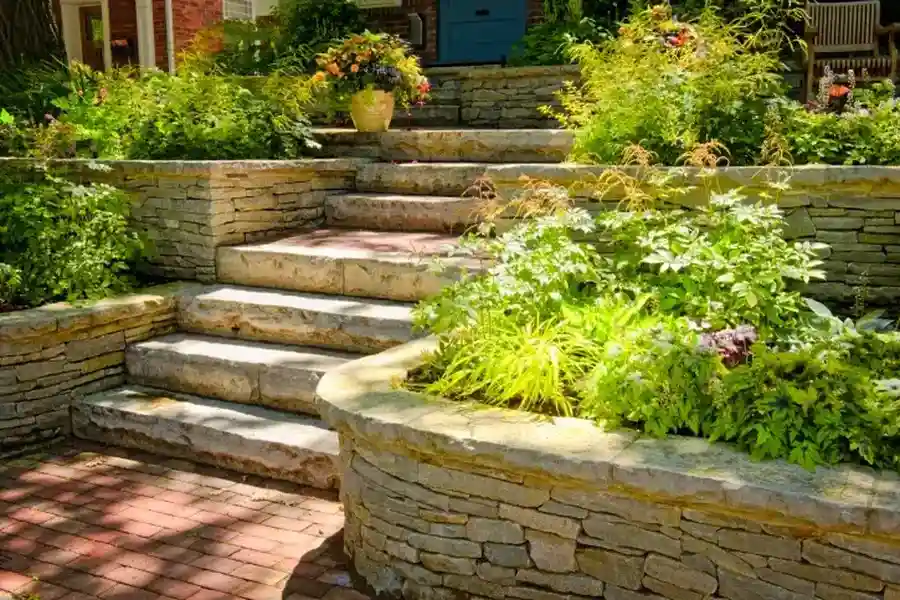
What You Need Before Starting
Before any retaining wall installation begins, take time to review your yard. Look at slopes, nearby trees, and how water flows after heavy rain. You should also check property lines and local building codes if the wall will be tall.
Here are a few things to have ready:
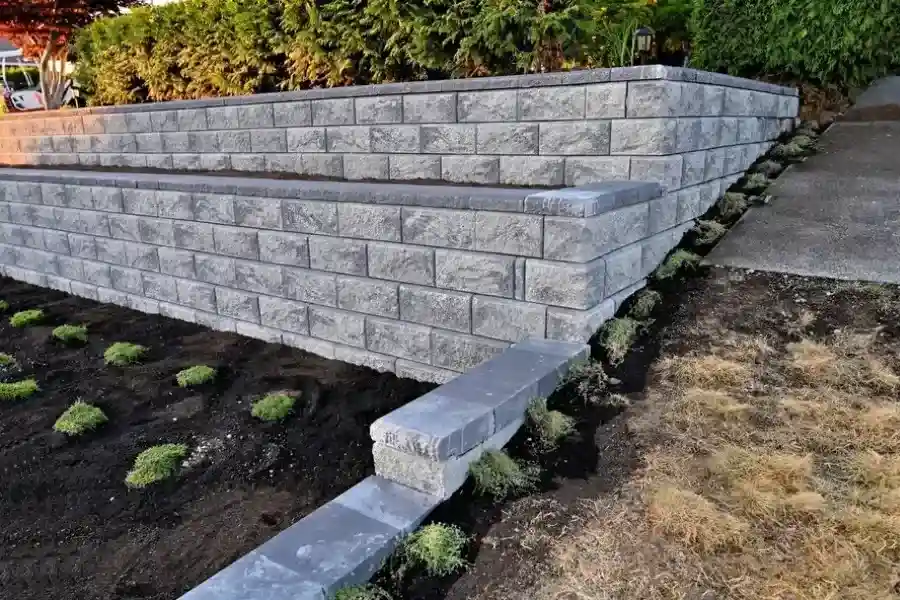
- Property survey or boundary markers
- Utility line locations marked
- Clear access path for materials and equipment
- Plan for drainage behind the wall
- Basic design and material choice
If you are working with landscaping features like patios, gardens, or walkways, plan how they will connect to the new wall. This keeps your whole outdoor space looking clean and balanced.
Step-by-Step Preparation Process
Good prep work makes retaining wall installation faster and safer. Follow these basic steps to get your yard ready.
-
Clear the area. Remove grass, shrubs, rocks, and debris where the wall will sit. You need bare soil to work with.
-
Mark the layout. Use stakes and string to outline the wall. Double check measurements and curves.
-
Excavate the base. Dig a trench deep enough for a solid foundation. Depth depends on wall height and soil type.
-
Check soil condition. Soft or sandy soil may need extra support. Clay soil may need better drainage.
-
Plan drainage. Add space for gravel and drainage pipe behind the wall. Water buildup causes many wall failures.
-
Level and compact. Make sure the base trench is flat and firmly packed before building starts.
Taking time on these steps reduces shifting, cracking, and leaning later on.
Common Mistakes to Avoid
Skipping preparation is one of the biggest reasons walls fail. Many homeowners focus only on how the wall will look. The real strength comes from what is behind and below it.
Avoid these common mistakes:
- Not installing proper drainage
- Building on loose or wet soil
- Ignoring large tree roots
- Making the wall too tall without added support
- Forgetting to slope the soil away from the wall
Water pressure is a major cause of damage. Without gravel backfill and a drain system, even a well-built wall can lean or crack.
When to Call a Professional
Small decorative walls may be simple to handle. Larger structural walls are different. If your wall is over a few feet tall, holds back heavy soil, or sits near a driveway or house foundation, a trained expert should handle the work.
Retaining wall installation often involves grading and sometimes ties into broader outdoor construction projects. A professional understands soil pressure, drainage design, and local code rules. This helps prevent costly repairs later.
If your yard has steep slopes or poor drainage, expert help can save time and stress. Heavy equipment may also be needed to move soil safely.
Final Thoughts and Getting Expert Help
If you are planning retaining wall installation in Charlotte, NC, I can help you prepare your landscape the right way from the start. At Jose P-Waterproofing, I focus on solid foundations, proper drainage, and long-term strength so your wall stays safe and level. Call me at (980) 252-8009 to talk about your project and get clear guidance on the next steps.