

Effective Interior Methods That Stop Basement Water Problems
interior solutions used in basement waterproofing services focus on stopping water after it enters the basement and directing it away before it causes damage. These systems manage leaks, control moisture, and protect walls and floors from mold and rot. Many homeowners choose interior methods because they are often less invasive than full exterior excavation and can be installed year-round.
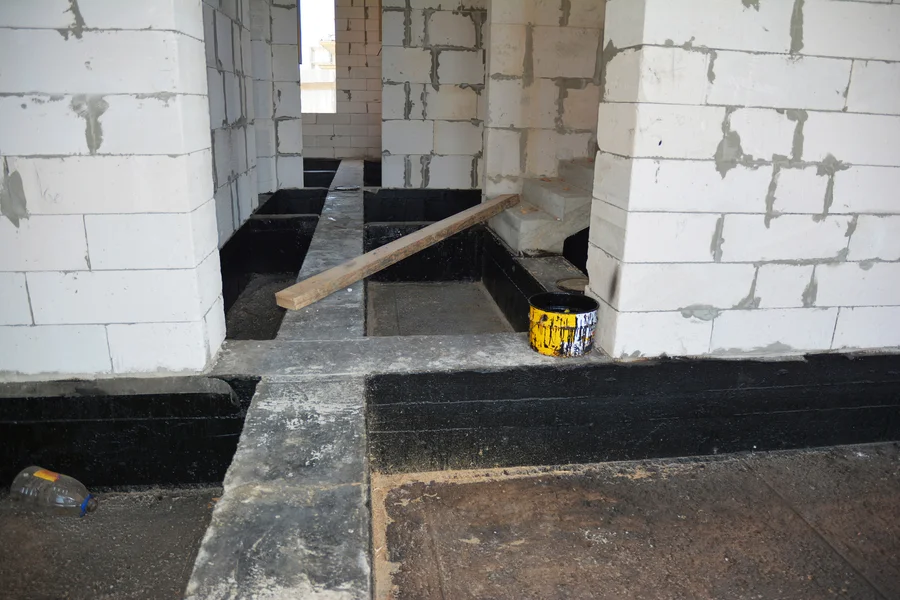
Why Homeowners Choose Interior Waterproofing Methods
Not every water problem starts outside the foundation. In many homes, water seeps through cracks, cold joints, or porous concrete. Interior basement waterproofing services are designed to handle this type of intrusion from the inside.
These methods are helpful when:
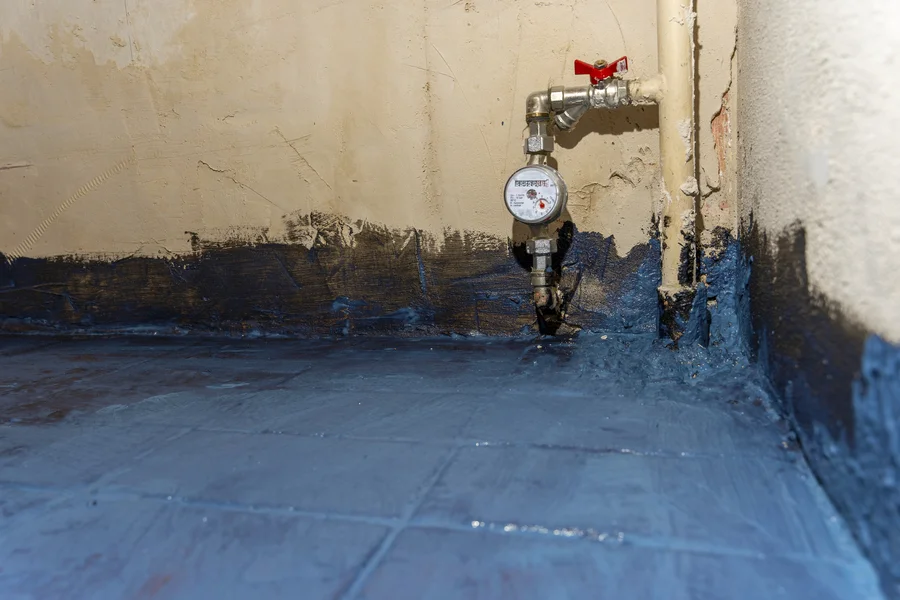
- Digging around the home is not possible
- The property has tight lot lines
- The foundation is older and prone to cracks
- Hydrostatic pressure pushes water through the floor
Interior systems work by collecting water and guiding it into a controlled drainage path. This keeps the basement dry and usable.
Common Interior Drainage Systems
One of the most trusted interior solutions used in basement waterproofing services is a perimeter drain system. This system is installed along the inside edge of the basement floor.
The basic process looks like this:
- A small section of concrete is removed along the wall perimeter.
- A drainage channel and perforated pipe are placed beside the footing.
- The system directs water to a sump pump basin.
- Concrete is restored over the system.
When water enters through the wall or floor joint, the drain collects it before it reaches the living space. The sump pump then pushes the water safely away from the home.
Sump Pump Systems and Why They Matter
A sump pump is the heart of many interior basement waterproofing services. Without it, collected water has nowhere to go.
Modern sump systems often include:
- A sealed sump basin lid to reduce moisture and odor
- A battery backup in case of power outages
- An alarm that alerts you if water levels rise too high
For homes with frequent storms or heavy groundwater, a strong sump pump setup can prevent repeated flooding. Regular testing helps keep it working when you need it most.
Interior Wall Sealing and Vapor Barriers
Wall sealing is another interior method used by professionals. Masonry walls can absorb moisture over time. When that moisture evaporates, it raises humidity levels inside the basement.
Interior sealants are applied to slow down vapor movement. In some cases, a vapor barrier panel system is installed along the wall. These panels do not stop water outside the wall. Instead, they guide any seepage down into the drainage system below.
This type of system is common when foundation waterproofing inside the home is more practical than digging outside.
Crack Repair From the Inside
Foundation cracks are a common source of leaks. Interior crack repair is often done using epoxy or polyurethane injection.
Here is how it works:
- The crack is cleaned and prepped.
- Injection ports are sealed along the surface.
- Special resin is injected into the crack.
- The material expands or hardens to seal the gap.
This method stops active leaks and helps restore strength to the wall. It is a targeted fix and works well for single crack issues.
Dehumidification and Moisture Control
Water intrusion is not the only concern. High humidity can also damage finished basements. Interior solutions used in basement waterproofing services often include dehumidifiers and air circulation systems.
A professional-grade dehumidifier removes excess moisture from the air. This helps prevent:
- Mold growth on drywall and wood
- Musty odors
- Warped flooring
- Condensation on pipes and windows
Even if standing water is not present, moisture control protects long-term structural health.
When Interior Solutions Are the Right Choice
Interior methods are a strong option when the main problem is groundwater pressure or minor wall seepage. They are also useful when exterior walls are blocked by patios, driveways, or nearby buildings.
Many homeowners combine interior basement waterproofing services with exterior grading improvements for better results. A full inspection can help identify if the issue is surface water, subsurface pressure, or simple cracks.
The right solution depends on the home’s design, soil type, and age. A trained professional can explain which approach fits the situation.
Get Professional Help for Long-Lasting Results
If your basement shows signs of leaks, damp walls, or musty smells in Charlotte, NC, I can inspect the space and explain the interior solutions used in basement waterproofing services that fit your home. At Jose P-Waterproofing, my goal is to provide clear advice and solid workmanship you can trust. Call (980) 252-8009 to speak with me directly and schedule a visit.