

The Role Temperature, Rain, and Humidity Play in a Strong, Long-Lasting Patio
Weather has a direct impact on concrete patio installation. Temperature, rain, wind, and humidity all affect how concrete sets, cures, and holds up over time. If conditions are too hot, too cold, or too wet, the patio can crack, weaken, or cure unevenly. Timing the project around the right weather helps create a smooth, durable surface that lasts for years.
Why Weather Plays Such a Big Role
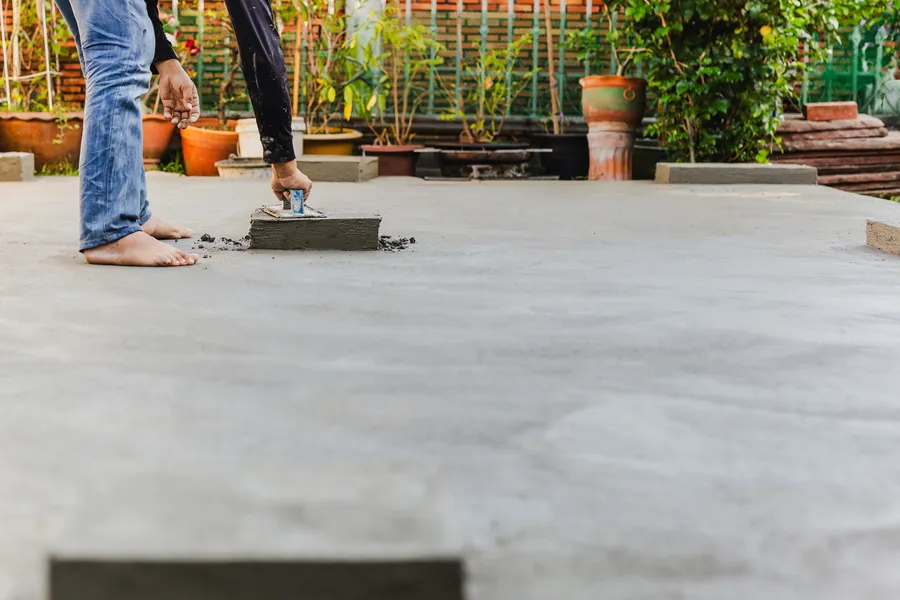
Concrete does not just dry. It goes through a chemical reaction called curing. This reaction needs the right balance of moisture and temperature. If that balance is off, the slab may not reach full strength.
Concrete patio installation is part of the broader service category of outdoor hardscape construction. Unlike indoor work, outdoor projects are exposed to the elements from day one. That is why planning around the forecast is so important.
Hot Weather Challenges
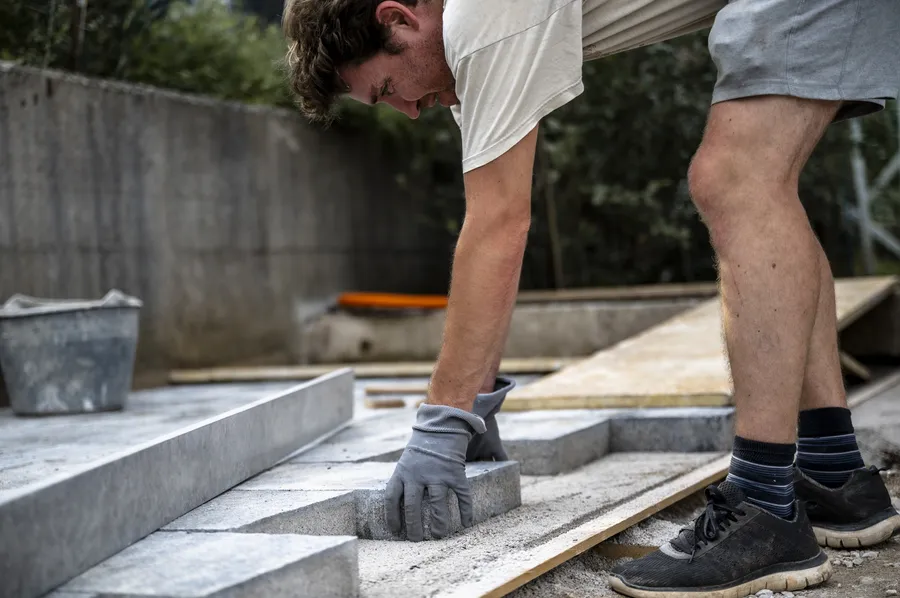
Many people think summer is the best time to pour concrete. Warm weather can help, but extreme heat causes problems.
When temperatures are too high:
- Concrete can dry too fast on the surface
- Moisture evaporates before curing finishes
- Surface cracks may form
- The slab can shrink unevenly
Fast drying often leads to small hairline cracks. These may not seem serious at first, but they can grow over time. In very hot weather, crews may need to work early in the morning, use shade, or lightly mist the surface to slow evaporation.
Cold Weather Risks
Cold temperatures create different issues. Concrete needs warmth to cure properly. If it drops near or below freezing, the water inside the mix can freeze.
This can lead to:
- Weak concrete
- Surface flaking
- Poor bonding
- Longer curing times
If freezing happens within the first 24 to 48 hours, the damage can be permanent. During cold months, installers may use insulated blankets or special cold-weather mixes to protect the slab.
The Impact of Rain and Moisture
Rain is a major concern during concrete patio installation. Too much water on fresh concrete weakens the mix. It can also leave a dusty or chalky surface once dry.
If rain falls right after pouring:
- The surface can become uneven
- Water spots may form
- The top layer may soften
Light rain after the surface has set is usually less harmful, but heavy downpours are risky. Checking the forecast and having protective plastic sheeting ready helps prevent damage.
High humidity can actually help slow down drying, which may reduce cracking in hot weather. However, very damp conditions can lengthen the curing time.
Wind and Sun Exposure
Wind is often overlooked. Strong wind pulls moisture from the surface quickly. When combined with direct sun, it increases the chance of early cracking.
Signs that wind is drying the surface too fast include:
- Fine cracks appearing within hours
- A rough or crumbly top layer
- Edges drying faster than the center
Windbreaks or temporary barriers can help control rapid moisture loss. Proper finishing techniques also reduce surface stress.
Best Weather Conditions for Pouring a Patio
Ideal conditions for concrete patio installation usually fall within a moderate temperature range. Mild, dry days with low wind offer the best setting.
- Temperature between 50 and 80 degrees Fahrenheit
- Low chance of rain for at least 24 hours
- Light wind or calm air
- Partial CLOUD cover or limited direct sun
These conditions allow the concrete to cure at a steady rate. Steady curing leads to stronger results and fewer surface problems.
What Homeowners Should Plan For
If you are scheduling concrete patio installation, talk with your contractor about seasonal timing. Spring and early fall often provide the most stable weather in many areas.
You should also plan for:
- Keeping pets and foot traffic off the slab
- Allowing enough curing time before placing furniture
- Waiting several days before heavy use
Even after the patio looks dry, the curing process continues for weeks. Patience during this phase improves long-term durability.
When to Get Expert Help
Small garden stepping stones may be simple to pour, but a full patio requires careful planning. Soil prep, forming, proper thickness, and curing methods all matter. Weather only adds another layer of complexity.
If the forecast is uncertain or temperatures are extreme, a professional can adjust the mix and timing. This reduces the risk of cracks, weak spots, and early wear.
Ready to Plan Your Project?
If you are thinking about a new patio in Charlotte, NC, I can help you choose the right time of year and protect your investment from weather-related problems. At Jose P-Waterproofing, I handle every step of the job myself and focus on doing the work the right way the first time. Call me at (980) 252-8009 to talk about your goals and schedule your concrete project.